
Your team connects from three different cities, and each meeting starts with five minutes wasted on connection problems. That's why choosing wisely among the video calling tools available today makes a real difference in daily productivity. In fact, not all of them solve the same thing. Additionally, some prioritize simplicity, while others opt for integration with the rest of your office suite. However, almost all SMBs end up comparing the same three options: Zoom, Google Meet and Microsoft Teams.
Here we review the price, limits and functions of each one, so you can choose with real data. This guide on video calls from remote devices summarizes the criteria that should be reviewed before choosing. video calls remote teams: this guide summarizes criteria, limits and steps to choose with context.
Video calls remote devices allow you to compare features, limits and context before deciding. Video calling remote devices allows you to compare features, limits and context before deciding. Video calls remote devices allow you to compare features, limits and context before deciding. Video calling remote devices allows you to compare features, limits and context before deciding.
videollamadas equipos remotos: esta guía reúne criterios, límites y pasos para elegir con contexto.
Video calling remote teams requires comparing features, limits and context before deciding.
video calls remote teams: criteria and guide
Table of Contents
What video calling tools should solve for your SME
Before comparing video calling tools in depth, define what your team needs on a day-to-day basis. A good video conference solution should sustain meetings without interruptions, even with weak connections. It should also integrate with the calendar and chat your team already uses. If you have not yet defined your team chat, check out our comparison between Slack and Microsoft Teams first. That decision usually influences which video calling tool ends up winning, because Teams already has its own included.
Zoom: the most used option for external meetings
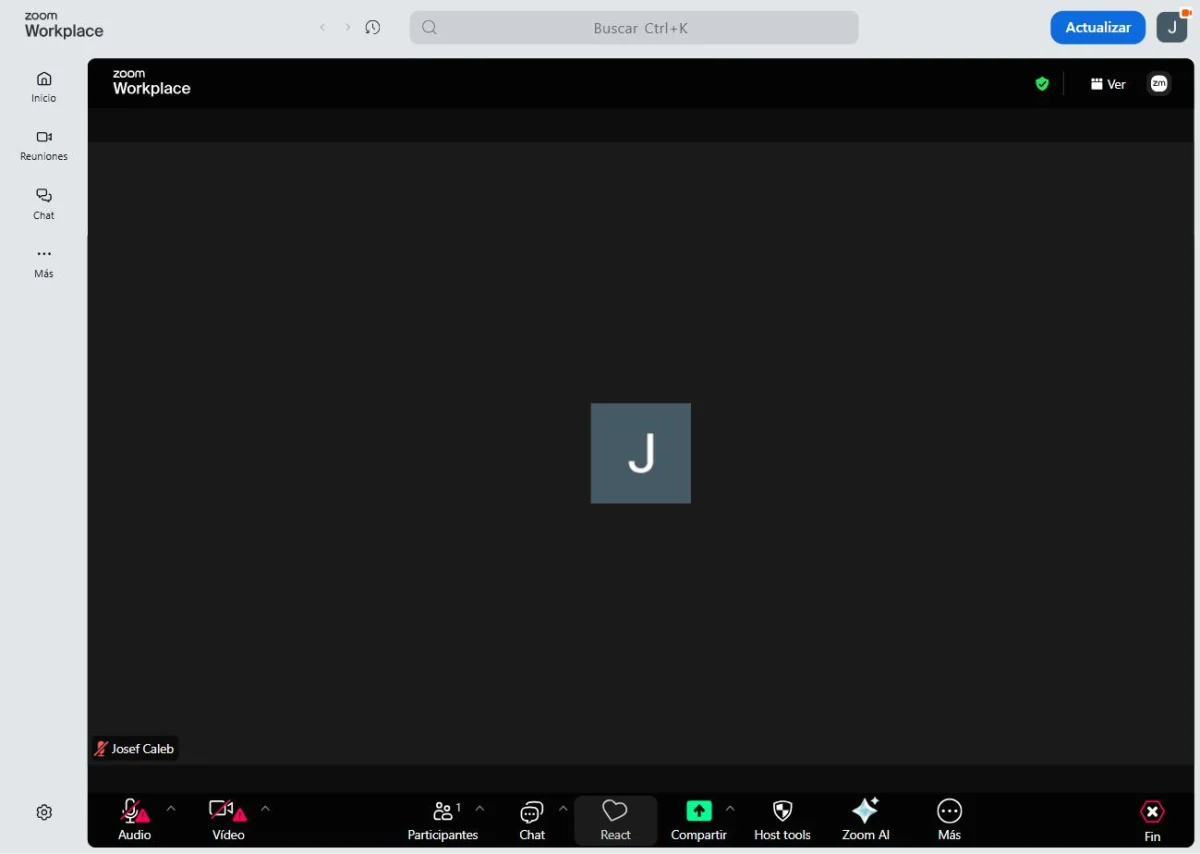
Zoom continues to be the reference when it comes to meeting with external clients or suppliers. Their Basic plan is free, but limits group meetings to 40 minutes. The Pro plan costs $14.16 per user per month, billed annually. Eliminate the time limit and add up to 30 hours per meeting. In addition, it includes 10GB of cloud storage and unlimited use of the artificial intelligence assistant. The Business plan costs $18.33 per user per month. Raise the participant limit to 300 and add more advanced admin controls, like single sign-on. Therefore, if your SME organizes webinars or large meetings with external parties, Zoom is usually the first option.
Google Meet: the simplest option if you already use Gmail
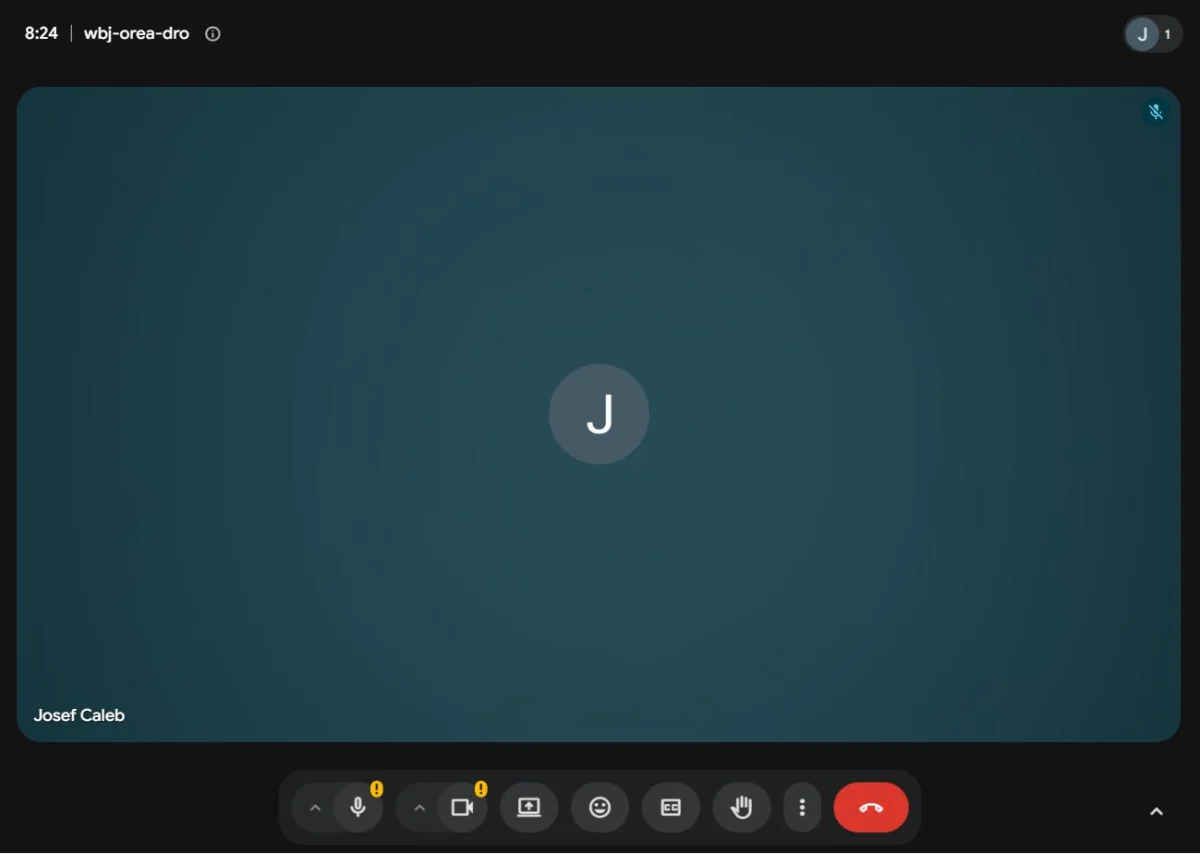
Google Meet is the most natural option if your SME already uses Gmail or Google Workspace for email. Its free version allows meetings with up to 100 participants. Of course, there is a limit of 60 minutes per group meeting. To remove that limit, you need a Google Workspace plan. The Business Starter plan, starting at $7 per user per month, already allows for longer meetings. On the other hand, the Business Standard plan, from 14 USD per user per month, increases the capacity to 150 participants. The Business Plus plan, starting at $22 per user per month, allows up to 500 participants per meeting. In addition, it does not require installing any programs: everything works directly from the browser.
Microsoft Teams: the option if you already pay for Microsoft 365
Microsoft Teams enters the conversation when your SME already pays for Microsoft 365. Its free plan allows meetings of up to 100 people, with a limit of 60 minutes per session. Also, the Business Basic plan, starting at $7 per user per month, includes Teams along with web versions of Office. We already compared this tool in depth against Slack in a previous article. Therefore, if your SME already uses Teams chat daily, adding its video calls does not represent an additional cost.
Comparison table: best video calling tools
| Tool | Free plan | Plan paid from | Participants (paid) |
|---|---|---|---|
| Zoom | 40 min, 100 participants | 14.16 USD/user/month (annual, Pro plan) | Up to 300 (Business plan) |
| Google Meet | 60 min, 100 participants | $7/user/month (annual, Business Starter) | Up to 500 (Business Plus) |
| Microsoft Teams | 60 min, 100 participants | $7/user/month (annual, Business Basic) | Included in the Office plan |
Before you decide, check how many people actually participate in your largest meetings. Paying for 300 participants when your SME rarely exceeds 15 people does not make sense.
What to look at besides the price
Price is only part of the decision. Also check the quality of the connection in meetings with poor signal, something that varies depending on the internet provider of each participant. It's also a good idea to check if you need to record meetings, especially for those who can't attend live. Zoom and Google Meet allow recording from their paid plans. On the other hand, consider how many integrations you need with calendar, CRM or project management tools. Of course, none of these video calling tools require long contracts, so trying before committing is still a real option.
Free tool: Operational Tasks and Projects
Before paying for a platform, define tasks, responsible parties and dates. A simple flow allows you to evaluate software with a real process, not just a list of features.
Video calling tools in practice: three different scenarios
If your SME primarily meets with external clients, Zoom tends to feel more professional and stable. If, on the other hand, the team already lives within Gmail, Google Meet saves the step of learning another tool. When video calling is just an extension of daily chat, Microsoft Teams simplifies everything in one place. However, none of the three scenarios is better in the abstract. It depends on who you meet with most often and what tools your SME already pays for.
How to choose according to the size of your meetings
Of course, if your meetings rarely exceed 10 participants, any of the three options covers the basics without paying extra. If you host webinars or meetings with 50 people or more, Zoom Business offers the widest scope. When the problem is not the tool but the messiness of the meetings themselves, it is worth reviewing other habits. Therefore, we recommend our guide on how to organize efficient meetings with distributed teams. There we cover how to coordinate schedules between different time zones, something that no tool solves alone.
Loom: asynchronous communication when it is not necessary to meet
Add Loom to your evaluation when the goal is to explain a screen, provide feedback, or record an update without calling the entire team. Its official page highlights screen and camera recording, sharing and embedding, transcripts, subtitles, privacy controls, and viewing metrics.
| Need | Reference tool | why |
|---|---|---|
| Real-time meeting with clients | Zoom or Google Meet | They allow synchronous conversation and immediate resolution. |
| Team already integrated with Microsoft 365 | Teams | Centralize chat, meetings and files according to the license. |
| Brief explanation or feedback without matching | Loom | The receiver sees the message when he can and a visual record remains. |
No. It is useful for updates, tutorials and asynchronous feedback; Complex decisions, sensitive conversations or workshops still require real-time interaction.
Duration, privacy, access permissions, subtitles, data displayed on the screen and a written summary with the action you expect from the recipient.
Turn repetitive updates into short videos or documented messages, and reserve the video call for decisions, blockages, and conversations that require immediate response.
Video Call Tools FAQ
What is the cheapest video calling tool? Google Meet, if you already pay for Google Workspace, because it does not add a separate cost. Zoom and Teams also have limited free plans.
Do I need to pay to record my meetings? Yes, in most cases. Zoom and Google Meet require a paid plan to record cloud meetings.
Which one handles a weak internet connection better? Zoom tends to be better suited to unstable connections. Even so, the quality also depends on the internet of each participant.
Can I use more than one video calling tool at a time? Yes. Many SMEs use Zoom for external clients and Teams or Meet for internal meetings.
Video calling tools: in summary
There is no single answer when choosing between these video calling tools. It depends on who you meet with most often and which suite your SME already pays for. If Zoom and Google Meet were your two finalists, delve into our direct comparison between Zoom and Google Meet. There we go into the detail that this general guide does not cover.


Pingback: How to Host Efficient Meetings with Distributed Teams